Should Flossing be a Part of Your MS Treatment Plan?
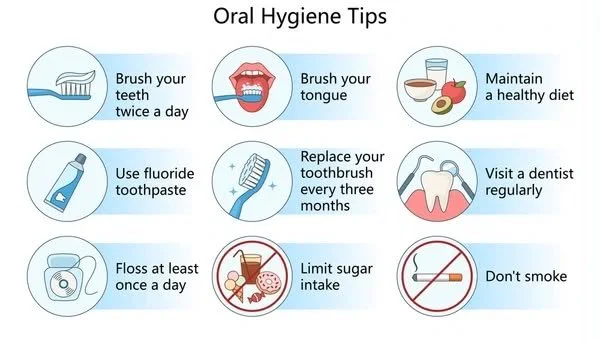
When you think of the professionals that form your MS care team, you likely think of your neurologist, the radiologists who assess your MRIs, your primary care physician, your pharmacist, your physiotherapist, and your massage therapist, but I bet you don’t think of your dentist. A growing body of research suggests that oral health is correlated to systemic inflammation and MS and other autoimmune disease activity. Brushing and flossing your teeth and regular visits to your dentist won’t replace taking a Disease Modifying Therapy (DMT) and regular visits with your neurologist, but failing to take good care of your teeth and gums may contribute to systemic immune activation, and that’s something to be avoided if you have MS or another autoimmune disease.
Gingivitis is the reversible stage of gum disease caused by plaque buildup. It is characterized by red, swollen, and bleeding gums. Untreated gingivitis can progress into periodontitis. Periodontitis is an advanced, irreversible stage of gum disease where the infection spreads below the gumline, potentially destroying the bone and tissues that support your teeth. Periodontitis is a long-term bacterial inflammatory condition. It can release inflammatory molecules into circulation, potentially increasing immune system activation elsewhere in the body. A recent meta-analysis found that MS patients are significantly more likely to be diagnosed with periodontitis than healthy controls. Researchers have opined that periodontal care may hold potential as an adjunct in the management of MS. Adjuncts are any treatments used alongside your primary therapy to assist it. In MS, taking a Vitamin D supplement is a commonly recommended adjunct. While the studies conducted to date show a clear correlation between MS and periodontitis, we cannot infer causation from these studies. Does having MS make it more likely that a patient will develop periodontitis? Does systemic inflammation from periodontitis contribute to the development and/or worsening of MS? Does a third factor make a patient more susceptible to developing both MS and periodontitis? We don’t know. Longitudinal and interventional studies are needed to establish causality. Until then, maintaining periodontal health is a pragmatic strategy to potentially mitigate systemic inflammation in MS.
Poor oral health has been linked to a wide range of systemic conditions beyond autoimmune diseases, including cardiovascular disease, diabetes, and adverse pregnancy outcomes. Dental health is far more than a cosmetic concern. Oral health is inseparable from overall health.
Certain DMTs are believed to cause dental and gingival conditions as side effects. In particular, anti-CD20 B-cell therapies like Rituxan (rituximab), Ocrevus (ocrelizumab), Kesimpta (ofatumumab), and Briumvi (ublituximab-xiiiy) are believed to contribute to dental and gingival conditions primarily because they deplete the patient’s B-cells and Immunoglobulin A (IgA) levels. This alters the patient’s oral microbiome, which may lead to chronic inflammation and a higher risk of infections in the teeth and gums. Because these DMTs suppress mucosal immunity (particularly IgA antibodies), the balance of healthy and harmful bacteria in the mouth can be disrupted. The depletion of B-cells impairs the body's ability to fight off bacterial overgrowth. Tooth abscesses, dental infections, dental sensitivity, dental pain, and periodontitis are known side effects of these DMTs. The DMT that I am about to start, Mavenclad, may increase the risk of oral ulcers, thrush, gingivitis, and delayed healing during periods when white blood cells are low (i.e., during periods of lymphopenia). It is well worth mentioning to your dentist if you are taking a DMT which might contribute to dental and gingival conditions.
Certain MS symptoms may make good oral hygiene more difficult to achieve. For someone who struggles with mobility, making it to dental appointments may become more challenging. For someone with trigeminal neuralgia, facial pain might deter best efforts at dental care. For someone with sensory changes in their hands or tremors, it might be difficult to brush and floss effectively. For someone experiencing MS fatigue, self-care can slip. People who don’t live with MS may have difficulty understanding this. How could you be so tired that you don’t brush or floss your teeth? MS fatigue isn’t like just being really tired. MS fatigue can appear without warning and rest doesn’t always fix it. It’s a whole-body exhaustion that can feel physical, mental, and emotional all at once. What makes MS fatigue especially difficult is how profoundly it can affect everyday functioning. Tasks that most people perform automatically, like showering, brushing your teeth, or making food can feel enormous and insurmountable. It’s not laziness. The brain and central nervous system are working harder because of the damage caused by MS, and even small activities can drain limited energy reserves. On bad days, a person with MS may have to choose between cooking dinner or taking a shower because there’s simply not enough energy available for both. If MS symptoms make maintaining good oral care challenging for you, there are adaptive strategies that you can employ. An electric toothbrush can help. They generally have a larger handle, which can help if MS has affected your grip strength. Oscillating brushes can clean the teeth more thoroughly with less effort. Many have a pressure sensor, which can help to avoid overbrushing if MS has affected your sensation. Using a water flosser may be easier than traditional floss if your finger dexterity is affected by sensation loss or tremors. If oral care is difficult for you, discuss it with your dentist or dental hygienist. They can often suggest adaptive strategies tailored to your needs.
Whether having MS increases the likelihood that a patient will develop periodontitis, having periodontitis contributes to the development and/or worsening of MS, or a third factor make a patient more susceptible to developing both MS and periodontitis, the evidence is clear that those of us living with MS need to prioritize our oral healthcare. Your mouth is not separate from your immune system. Your immune system is not separate from your central nervous system. And yes, taking care of your pearly whites might just play a role in management of your MS.